When temperatures rise, keeping your cat comfortable becomes a priority. Whether it’s a summer heatwave or an unexpectedly warm spring day, cats need help staying cool – and unlike us, they can’t just open a window or pour themselves a cold drink.
Cats are quite good at regulating their own temperature, but they do have limits. Understanding how to support them during hot weather helps keep them safe, comfortable, and happy when the temperature rises.
In this guide, we’ll share practical ways to keep your cat cool, what signs to watch for, and when to seek veterinary help. These are tried-and-tested approaches that actually work in practice.
How cats cope with heat
Before we look at cooling strategies, it’s helpful to understand how cats naturally manage warm weather.
Natural cooling mechanisms
Cats don’t sweat the way humans do. They have sweat glands only on their paw pads, which provides minimal cooling. Instead, cats rely on:
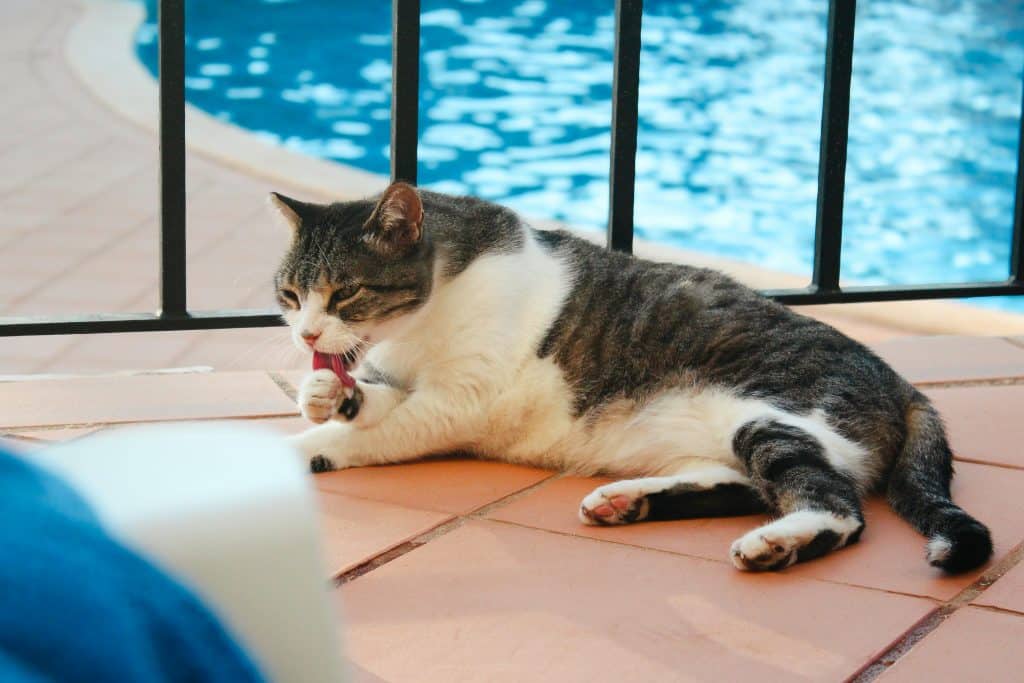
Grooming: When cats groom themselves, saliva evaporates from their fur, creating a cooling effect. This is why you might notice increased grooming during hot weather (and possibly the hairballs that come with it).
Panting: Whilst less common than in dogs, cats do pant when overheated. It’s their way of releasing heat through moisture evaporation from their mouth and respiratory system. If you notice your cat panting, immediately move them to a cool, shaded spot and if it persists, contact your vet immediately.
Seeking cool spots: Cats are brilliant at finding the coolest places in your home. They’ll move to tiled floors, shaded areas, or spots with good airflow.
Reduced activity: During our visits in hot weather, we notice cats moving slower and being less playful. This is completely normal, as they’re conserving energy and avoiding generating extra body heat.
Natural behaviours in warm weather
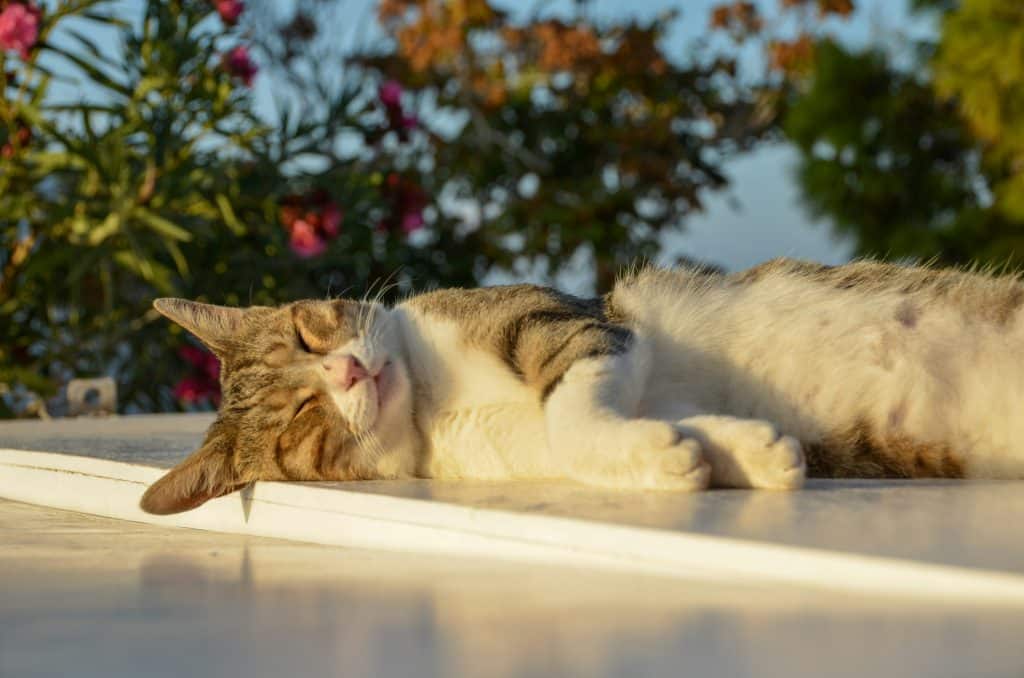
Cats always seek out sunshine as they love warmth. But when it gets too warm, they move pretty promptly to shade. This self-regulation is part of their natural temperature management. You might also notice your cat:
- Drinking more water
- Eating slightly less (more on this later)
- Staying in their own space
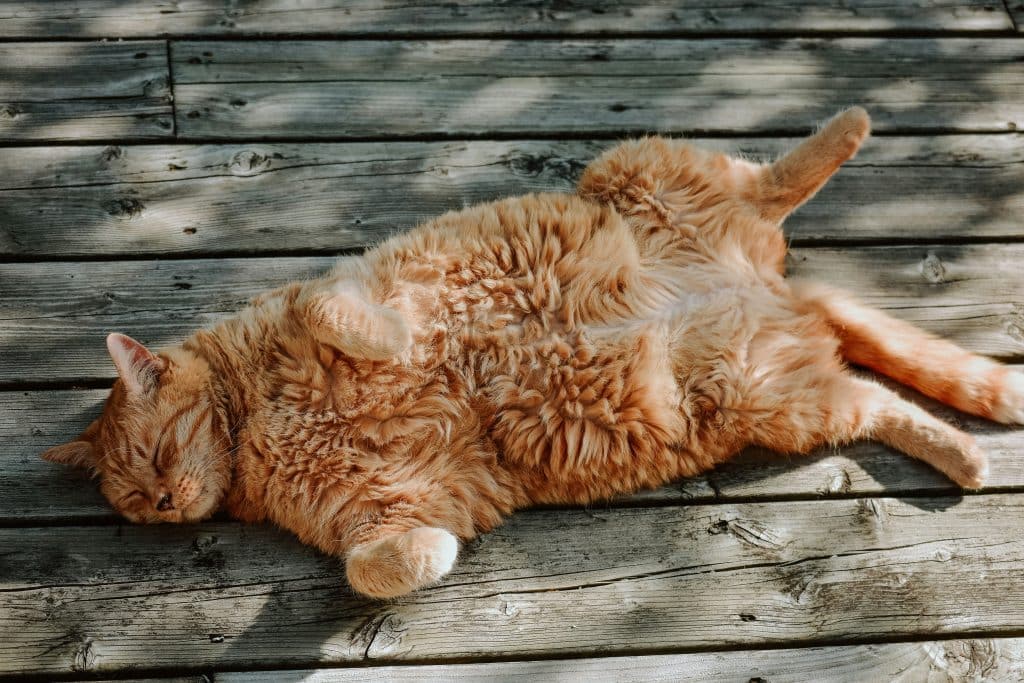
- Stretching out rather than curling up
- Being less active during the hottest parts of the day
These are all normal responses to heat.
Five practical ways to keep cats cool
Here are effective strategies that genuinely help cats stay comfortable in warm weather.
1. Provide multiple water sources
Hydration is absolutely crucial during hot weather. From our experience, cats definitely drink more when temperatures rise.
What works:
Plenty of choices: Even if your cat usually only drinks from one bowl, leave several options around your home. This is particularly important if you’re away, as if one bowl gets knocked over or runs low, your cat has alternatives.
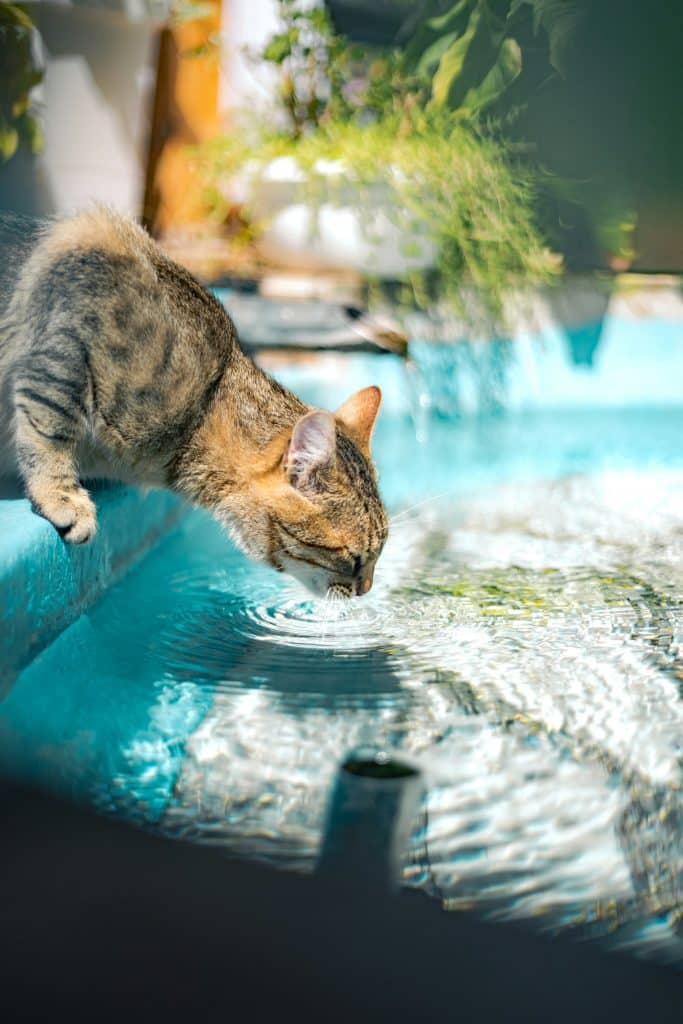
Different water types: Some cats prefer still water, others like running water from fountains. Offer both if possible.
Varied containers: Try different shaped containers such as bowls, cups or wider dishes. Some cats have preferences you might not have discovered yet.
Fresh water regularly: Change water at least once daily, more often during very hot weather. Cats are more likely to drink fresh, cool water.
Ice cubes: Some cats enjoy licking ice cubes. You could drop a couple into their water bowl, though in our opinion, they melt pretty quickly to offer a long-term benefit! You could also place the water bowl on a cooling mat to keep it cooler for longer.
2. Create shaded, ventilated spaces
Temperature control in your home makes an enormous difference.
Indoor cooling:
Close curtains and blinds: During the hottest part of the day, keep curtains or blinds closed in rooms that get direct sunlight. This prevents rooms becoming uncomfortably warm.
Improve ventilation: Open windows (safely) to create airflow. Cross-ventilation works particularly well, as opening windows on opposite sides of your home allows air to flow through.
Fans: Fans don’t cool cats directly (they don’t sweat like we do), but they do improve air circulation and can help evaporate moisture from grooming, which provides some cooling effect. This idea may not be possible if your cat isn’t keen on the sound of the fan though.
Cool floors: Tiled or wooden floors stay cooler than carpet. Your cat will naturally seek these out. You might find them sprawled on bathroom tiles or kitchen floors.
Multiple retreat options: As we all know, cats like choices and to make their own decisions. Provide several cool spots in different rooms so your cat can move around as temperatures shift throughout the day.
3. Regular grooming
Grooming helps remove excess fur, which improves your cat’s ability to regulate temperature.
For long-haired cats: Regular brushing during warm weather is particularly important. Excess fur traps heat, making it harder for your cat to cool down.
For all cats: Even short-haired cats benefit from grooming. It removes loose fur and stimulates the skin, helping with their natural cooling through grooming.
Don’t shave: Unless recommended by your vet, don’t shave your cat. Their coat actually provides insulation that works both ways, by keeping them warm in winter and protecting them from direct sun in summer.
4. Adjust feeding expectations
During hot weather, many cats eat less than usual. This is completely normal and nothing to worry about unless it’s dramatically out of character.
Just like us, when it’s too warm, cats don’t want to use energy to eat. Their appetite naturally decreases.
What to do:
Don’t worry about slightly reduced appetite: If your cat is still eating but having smaller portions, that’s fine.
Offer food during cooler times: Try feeding early morning or evening when temperatures drop.
Keep wet food fresh: Remove uneaten wet food promptly, since it will spoil faster in warm weather.
Watch for complete loss of appetite: If your cat stops eating entirely for more than 24 hours, contact your vet.
A handy tip: Place food and water bowls on a marble worktop protector or tile. The cool surface helps keep bowls cooler for longer, encouraging your cat to drink and making wet food more appealing in warm weather.
5. Outdoor and indoor considerations
At the end of the day, it’s about giving our cats lots of options. They’re going to do what they like after all! It’s about thinking through their routine and preferences, and how we can provide cool options within that.
For outdoor cats:
If your cat likes going outside, make sure there are cool spots and water supplies out there. Perhaps encourage them to take an indoor break every now and then during the hottest hours.
Ensure they have access to:
- Shaded areas in your garden
- Fresh water outdoors
- Easy access back inside if they get too warm
For indoor cats:
Make sure your home is well-ventilated and cool. Provide plenty of retreat options where your cat can escape the heat.
Book your sitter today
Receive 2 FREE visits when you book your first cat sitting visits with us! Experience the peace of mind that comes with professional, loving cat care.
Recognising overheating in cats
Knowing the signs of overheating helps you respond quickly if your cat struggles with the heat.
Normal warm weather behaviour
As mentioned earlier, these responses are typical and not concerning:
- Moving slower
- Being less playful
- Seeking cool spots
- Drinking more
- Eating slightly less
- Grooming more frequently
Warning signs of overheating
More serious signs that your cat is struggling include:
Panting: Occasional light panting can be normal, but persistent, heavy panting with an open mouth is concerning.
Not moving from hot spots: If your cat isn’t seeking shade or cooler areas despite being in direct sun or a warm room, something’s wrong. Healthy cats naturally move to cooler spots.
Real loss of appetite: Completely refusing food for 24 hours or more.
Lethargy beyond normal: Being completely unresponsive or unable to move properly.
Signs of heat stroke
Heat stroke is a medical emergency – if your cat is showing any of these signs, contact your vet immediately. Signs include:
Physical symptoms:
- Tacky, sticky gums
- Sunken, dry-looking eyes
- Skin that doesn’t snap back into place if you gently pinch it
- Excessive drooling
- Vomiting or diarrhoea
Behavioural changes:
- Restlessness or distress
- Collapse or inability to stand
- Seizures in severe cases
If you notice these signs, this is an emergency. Contact your vet immediately.
Cats Protection have a great article on keeping cats cool in warmer weather, including a quiz to make sure your know-how is up to date: Read the information on their site here.
What to do if your cat overheats
If you suspect your cat is overheating or showing signs of heat stroke, act quickly but calmly.
Immediate steps
Move to a cool area: Get your cat to the coolest part of your home immediately – ideally somewhere with good airflow.
Offer water: Provide fresh, cool water. Don’t force your cat to drink, but make it readily available.
Cool gradually: Use cool (not cold) water to dampen your cat’s fur. Focus on their paws, ears, and belly. Avoid ice-cold water or ice packs directly on their body, as cooling too quickly can be dangerous.
Improve airflow: Use a fan to circulate air around your cat, but don’t point it directly at them.
Contact your vet: Even if symptoms seem to improve, call your vet for guidance. Heat stroke can cause internal damage that isn’t immediately obvious.
What to avoid
Don’t use ice or very cold water: Rapid cooling can cause shock or make the situation worse.
Don’t force water: If your cat isn’t drinking, don’t try to force water into their mouth, as this can cause choking or aspiration.
Don’t delay veterinary care: If symptoms are serious, get to the vet immediately rather than spending too long trying home cooling methods.
Special considerations for different cats
Some cats need extra attention during hot weather.
Long-haired breeds
Persian, Maine Coon, and other long-haired cats have extra challenges managing heat. Regular grooming becomes even more important, and these cats might need more monitoring during warm weather.
Consider professional grooming during summer months to remove excess undercoat.
Flat-faced breeds
Brachycephalic cats (like Persians) can struggle more with breathing in hot weather due to their facial structure. They’re at higher risk of overheating and need particularly careful monitoring.
Senior cats
Older cats may be less mobile and might not move to cooler spots as readily as younger cats. They might also have underlying health conditions that make temperature regulation harder.
Check on elderly cats more frequently during hot weather.
Overweight cats
Extra body weight makes temperature regulation more difficult. Overweight cats are at higher risk of overheating and might need additional support during warm weather.
Cats with health conditions
Cats with heart conditions, respiratory issues, or other health problems may struggle more with heat. Discuss hot weather management with your vet if your cat has any ongoing health concerns.
Planning ahead for hot weather
A bit of preparation makes managing warm weather much easier.
Before hot weather arrives
Check your cooling options: Ensure fans work, windows open safely, and you have adequate shading options.
Stock up on essentials: Have extra water bowls ready and ensure your grooming tools are in good condition.
Know your vet’s details: Have your vet’s number and the nearest emergency vet details easily accessible.
Plan for absence: If you’ll be away during hot weather, arrange for someone to check on your cat.
Professional cat sitters can monitor your cat, refresh water, and ensure they’re coping well with the heat.
During your absence
When you’re away during warm weather, having someone check on your cat becomes even more important.
Professional cat sitters can:
- Refresh water multiple times
- Check your cat is behaving normally and not showing signs of overheating
- Adjust ventilation or shading as needed throughout the day
- Respond quickly if any problems arise
After each visit with Cat Sitters of Knutsford, you’ll receive updates through the Time to Pet app showing your cat is doing well, which provides genuine peace of mind when you’re away during hot weather.
Common myths about keeping cats cool
Let’s address some misconceptions about cats and hot weather.
Myth 1: Shave your cat to keep them cool
Reality: Unless your vet specifically recommends it, don’t shave your cat. Their fur provides insulation that protects them from both heat and cold, and also protects their skin from sunburn.
Myth 2: Cats will drink when they’re thirsty
Reality: Some cats don’t drink enough, particularly if they’re used to getting moisture from wet food. Always encourage hydration by providing multiple water sources and keeping water fresh and appealing.
Myth 3: Ice-cold water is best
Reality: Very cold water can actually cause stomach upset. Cool or room temperature water is better.
Myth 4: Outdoor cats are fine because they can find shade
Reality: Outdoor cats still need support. Ensure they have accessible shade, fresh water outside, and easy access back inside if they get too warm.
When professional help matters
Sometimes having professional support makes all the difference.
Cat sitting during hot weather
If you’re away during warm weather, professional cat sitting ensures your cat receives attentive care when they need it most.
We’ve been fortunate that all the cats we’ve visited have had really well-set-up homes with plenty of cooling options available. This preparation, combined with regular visits to refresh water and monitor behaviour, keeps cats safe and comfortable.
What cat sitters watch for
During warm weather visits, we’re particularly attentive to:
- Whether cats are drinking normally
If they’re seeking appropriate cool spots - Any signs of distress or overheating
- Changes in behaviour or appetite
- Ensuring ventilation and cooling options are working properly
Having someone check in provides valuable peace of mind that your cat is coping well with the heat whilst you’re away.
Keeping your cat comfortable all year round
Keeping cats cool in warmer weather is about providing options and paying attention to their natural behaviours. Cats are quite capable of managing their own temperature when given the right environment and resources.
Ensure plenty of fresh water, create cool and shaded spaces, maintain good ventilation, and adjust your expectations about eating and activity levels. Regular grooming helps, particularly for long-haired breeds.
Most importantly, know the warning signs of serious overheating and don’t hesitate to contact your vet if you’re concerned. Heat stroke is a medical emergency that requires immediate professional care.
At the end of the day, it’s about giving our cats lots of options. They’re going to do what they like after all! Think through their routine and preferences, and provide cool choices within that framework. If they prefer being indoors or outdoors, active or resting, give them the tools they need to stay comfortable when temperatures rise.
Planning to be away during warm weather?
Our cat sitting service ensures your cat stays comfortable and safe at home with attentive care and regular monitoring. We refresh water, check behaviour, and adjust cooling options as needed throughout the day. Get in touch to arrange your free pre-visit and discuss your cat’s needs during warmer weather.