If you’re planning a trip away, you’ve probably found yourself wondering: “Will my cat miss me whilst I’m gone?” It’s a question that tugs at the heartstrings, especially when your cat gives you those big eyes as you’re packing your suitcase.
The relationship between cats and their owners is genuinely special, and it’s completely natural to worry about how your absence affects your beloved companion. Understanding how cats actually experience separation helps you feel more confident about going away.
In this guide, we’ll explore what science tells us about cats and attachment, the signs that your cat misses you, and most importantly, how to ensure they’re comfortable and happy whilst you’re away.

Do cats actually miss their owners?
The short answer is yes – cats do miss their owners, though perhaps not in quite the way we imagine.
How cats form attachments
Research shows that cats form genuine attachment bonds with their owners. Studies have found that cats display attachment behaviours similar to those seen in dogs and even human infants.
Your cat sees you as a source of security, comfort, and routine. When you’re gone, they notice your absence and can feel unsettled by the change.
However, cats experience and express attachment differently from dogs. They’re more independent by nature, which doesn’t mean they love you less – it just means they show it differently.
What missing you looks like for cats
When cats miss their owners, it might look like:
- Changes in routine or behaviour
- Spending more time in your favourite spots
- Being more vocal than usual
- Reduced appetite initially
- Seeking out items with your scent
- Appearing more subdued or withdrawn
These behaviours indicate your cat is aware of your absence and is adjusting to it.
The independence factor
Here’s something interesting – whilst cats miss you, they’re also remarkably capable of coping with your absence. Their independent nature – the same quality that sometimes makes them seem aloof – actually helps them manage when you’re away.
This doesn’t diminish your bond. It simply means cats are naturally equipped to handle temporary separations better than we might fear.
Signs your cat misses you when you're away
Understanding how cats show they miss you helps you recognise their feelings and respond appropriately.
Behavioural changes
From our experience visiting cats whilst their owners are away, we notice some interesting patterns. Usually, cats are quite calm because they’re still in their home environment – their territory, their familiar smells, everything they know.
However, if a cat has a more anxious nature, they can be more timid on the first couple of visits. They might keep their distance initially, watching from afar. But they quickly settle into a routine thereafter, often warming up within a few days.
More confident cats? They’re your friend from the get-go. To be fair, when they see the food appearing, it doesn’t take long!
When you’re gone, your cat might:
- Alter their sleeping patterns: Some cats sleep more when their owners are away, whilst others become more restless.
- Change eating habits: It’s common for cats to eat less for the first day or two of your absence. They’re adjusting to the routine change.
- Become more vocal: If your cat usually chatters with you, they might meow more when you’re not there – calling for you or expressing confusion about your absence.
- Seek familiar scents: Many cats spend time on your bed, your clothes, or in spots where you usually sit. Your scent provides comfort.
Stress indicators
Some cats show stress when separated from their owners:
- Over-grooming or changes in grooming habits
- Toileting outside the litter tray
- Excessive meowing or vocalisation
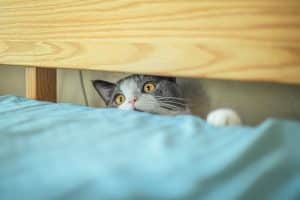
- Hiding more than usual
- Appearing anxious or unsettled
These signs don’t necessarily mean your cat is suffering – they indicate adjustment to change. Most cats settle within a day or two.
The happy middle ground
Many cats show subtle awareness of your absence without significant distress. They might be slightly quieter or less playful initially, but they maintain their normal routines, eat well, and seem generally content.
This is actually the most common response we see. Your cat notices you’re gone and adjusts their expectations accordingly, but they’re fundamentally okay.

Cat separation anxiety: What it actually looks like
True separation anxiety in cats is less common than general adjustment to your absence, but it’s worth understanding the difference.
Genuine separation anxiety vs normal adjustment
Normal adjustment involves:
- Temporary changes in appetite or behaviour
- Settling within 24-48 hours
- Maintaining basic routines
- Responding well to care from others
Separation anxiety involves:
- Extreme distress when you leave
- Destructive behaviour
- Refusing to eat for extended periods
- Persistent toileting issues or even being sick
- Excessive vocalisation that doesn’t ease
- Self-harm behaviours like over-grooming to the point of injury
Most cats experience the former, not the latter.
Who's most at risk?
Certain cats are more prone to separation difficulties:
- Cats with very close bonds to one person: Single-cat households where the cat is deeply attached to their owner sometimes struggle more.
- Cats with limited early socialisation: Cats who weren’t exposed to varied experiences as kittens might find change harder.
- Previously abandoned or rehomed cats: Cats with a history of loss sometimes show stronger separation responses.
- Very young or very old cats: Both extremes can be more sensitive to routine changes.
What helps anxious cats
If your cat does show signs of anxiety:
- Maintain their usual routine as much as possible
- Provide familiar items with your scent
- Consider calming aids like pheromone diffusers (some cats also benefit from veterinary prescribed medication to support anxiety)
- Ensure they have quiet, safe spaces
- Arrange for consistent, gentle care whilst you’re away
Professional cat sitting helps enormously because it keeps your cat in their familiar environment with minimal disruption to their routine.
Book your sitter today
Receive 2 FREE visits when you book your first cat sitting visits with us! Experience the peace of mind that comes with professional, loving cat care.
How long can cats cope without their owners?
The duration of your absence affects how your cat responds. We’ve shared insights on a previous post, talking about how long a cat can be left alone for. Click here to read that post.
Short absences (1-3 days)
Most cats handle short trips beautifully. They might notice you’re gone, but they settle quickly into a temporary routine.
Daily visits from a cat sitter provide everything they need – food, water, litter care, and companionship. Your cat maintains their familiar environment and routine, which minimises stress.
Medium absences (4-7 days)
Week-long holidays work well for most cats, especially with professional care. By day two or three, your cat has typically adjusted to the new routine.
We provide regular updates through our Time to Pet app showing your cat eating, playing, and relaxing. These updates genuinely reassure owners that their cats are coping well. In fact, we regularly receive feedback and reviews talking about how easy the app is to use and how excited owners get when they see visit updates come through!
Longer absences (1-2 weeks or more)
Extended trips are manageable for cats, though they do notice you’ve been gone longer. The key is maintaining consistency throughout your absence.
With the same cat sitter visiting at regular times, following the same routine, your cat settles into a pattern. They might be more excited when you return, but they cope well during your absence.
The return home
Interestingly, cat reactions to owners returning vary enormously. Some cats are quite vocal when their owner comes back – lots of meowing and immediate demands for attention. Others give the silent treatment, making their owners feel a bit guilty for a while. And some just act like it’s any other day!
We’ve heard stories of cats ignoring their owners for hours after they return, only to suddenly want all the cuddles later. One owner told us their cat followed them around for days afterwards, sticking to them like glue – clearly making up for lost time!
The “aloof” cat who acts like you were never gone? They’re actually showing you they felt secure in your absence – a sign of a confident, well-adjusted cat.
The clingy cat who won’t leave your side? They’re expressing how pleased they are to have you back – equally valid and touching.
Making your absence easier for your cat
Thoughtful preparation helps your cat feel comfortable whilst you’re away.
Maintain familiar routines
Cats thrive on consistency. When arranging care, it’s important to provide detailed information about your cat’s exact routine.
This is where our pre-visits come in. These free typically 30-minute meetings give us the chance to meet you, see your cat (and say hello if they’re feeling confident), and explore the routine you have for them. It’s also a time for you to ask us any questions about our service, which gives you reassurance about who we are and builds trust before we come into your home.
What we love about pre-visits is they give cats a chance to see someone new that their owners are happy with. This provides a level of comfort and we find it makes such a difference to how quickly cats settle when visits actually begin.
During the pre-visit, we learn about:
- Exact feeding times and portion sizes
- Play session preferences
- Usual sleep spots
- Any specific rituals or quirks
The more your cat’s routine stays the same, the less stressed they’ll feel.
Leave comfort items
Your scent provides genuine comfort. Consider leaving:
- A recently worn t-shirt or jumper on their favourite spot
- Unwashed bedding from your bed
- Items you’ve handled recently
Don’t wash their bedding right before you leave. Familiar scents help cats feel secure.
Environmental enrichment
Keeping your cat mentally stimulated helps them cope with your absence:
- Leave favourite toys accessible
- Consider puzzle feeders for mealtimes
- Ensure they have window views for entertainment
- Provide scratching posts and climbing opportunities
An engaged cat is a content cat.
Professional, consistent care
Having the same person visit at regular times makes an enormous difference. Your cat learns to expect their carer and builds a relationship with them.
What helps cats most is the consistency of someone coming to visit, acting calmly and keeping things “business as usual.” We don’t make a fuss or treat visits as something dramatic – we simply maintain their normal routine as if you were still there.
After each visit, you receive updates through the Time to Pet app with photos and videos showing how your cat is doing. Seeing your cat eating, playing, or relaxing provides genuine reassurance whilst you’re away.

Know, that it's okay to go away
One of the most common concerns we hear from owners when they’re booking is simply feeling bad about leaving their cat – like they’re neglecting them in some way. The bond between owner and cat is so strong, and we completely understand that worry.
Your cat will be okay
With proper care in place, your cat genuinely will be fine. Cats are resilient, adaptable creatures. They might notice you’re gone, but that doesn’t mean they’re suffering.
Think of it this way: children miss their parents during school days, but they’re not traumatised by the separation. Cats are similar – they notice your absence but cope well with it.
You deserve holidays
Taking breaks is important for your wellbeing. You’re not being selfish by going on holiday – you’re taking necessary time to rest and recharge.
A relaxed, happy owner is better for your cat than a stressed, exhausted one who never takes breaks.
Quality care makes the difference
The key isn’t whether you go away – it’s ensuring brilliant care whilst you’re gone. Professional cat sitting means:
- Your cat stays in their familiar, comfortable home
- Their routine continues as normal
- They receive personalised attention and care
- Any issues are spotted and addressed quickly
- You receive regular updates for peace of mind
Our reassurance to worried owners is always this: we’ll be in touch every day with pictures, videos, and messages telling you what we’ve been up to. Because we know all about your cat’s routine and preferences from the pre-visit, we give them the same treatment you would if you were here.
This type of planning prioritises your cat’s wellbeing.
The joy of reunion
One of the loveliest parts of going away is coming home to your cat. Whether they greet you with enthusiastic affection or studied indifference, you know your bond is intact.
Many cat owners find that after a trip away, their cats seem even more affectionate for a few days – as if reconnecting and reaffirming the relationship.
What your cat experiences whilst you're away
Understanding your cat’s actual experience can ease your worries.
The first 24 hours
Initially, your cat notices the change. They might look for you, seem slightly confused, or be more cautious than usual.
When their carer arrives, some cats greet them warmly – especially if they met during the pre-visit. Others observe from a distance initially, which is completely normal for more anxious cats.
Most cats eat normally and use their litter tray as expected, though some might eat slightly less on day one.
Settling in (days 2-3)
By the second or third day, most cats have adjusted. They’ve accepted the new temporary routine and know when to expect their carer.
Appetite returns to normal. Play behaviour resumes. They’re more relaxed and confident. This is when we often see anxious cats finally warming up and becoming friendlier with us.
The established routine (day 4 onwards)
After a few days, your cat is fully settled into the temporary pattern. They know when their carer arrives, they anticipate meal times, and they’re comfortable with the arrangement.
This doesn’t mean they’ve forgotten you – it means they’ve adapted successfully, which is exactly what you want.
Throughout your absence
Your cat continues their normal activities:
- Sleeping in favourite spots
- Playing with toys
- Watching birds from windows
- Grooming themselves
- Eating and drinking normally
- Using their litter tray
Life continues for them, just with a different routine and a temporary carer instead of you.
Different cats, different responses
Just like people, cats are individuals with varying responses to separation.
The independent cat
Some cats are naturally self-sufficient. They enjoy your company but don’t rely on constant interaction. These cats often cope brilliantly with your absence, barely seeming to notice the change.
This doesn’t mean they don’t love you – their attachment style is simply more independent.
The social butterfly
Other cats are deeply social and thrive on interaction. These cats might show more obvious signs of missing you – being extra affectionate with their carer, more vocal, or seeking more attention than usual.
They still cope well, but they benefit particularly from carers who provide plenty of companionship and play.
The anxious cat
Cats who tend towards anxiety might take longer to settle. They need extra reassurance, familiar routines, and patient, gentle care.
For these cats, staying home with a professional carer is far better than catteries, which would increase their stress significantly. We see these cats keep their distance initially, but given time and patience, they usually warm up within a few days.
Age considerations
Kittens and young cats are often more adaptable and settle quickly, though they need more frequent interaction and play.
Senior cats benefit enormously from staying home in familiar surroundings. Changes are harder on older cats, so maintaining their environment and routine is particularly important.

Signs your cat is coping well
How do you know your cat is managing fine whilst you’re away? Here’s what to look for in your visit updates.
Normal eating and drinking
If your cat is eating their regular portions and drinking normally, they’re coping well. Appetite is one of the best indicators of feline wellbeing.
Regular litter tray use
Consistent toileting habits show your cat feels secure and comfortable. Changes in litter tray behaviour indicate stress, whilst normal use suggests they’re fine.
Engaging with their carer
When your cat greets their carer, plays with them, or accepts cuddles, they’re demonstrating comfort and security. They’ve accepted this temporary arrangement.
Even anxious cats who initially kept their distance will start engaging more as the days go on – a clear sign they’re settling.
Normal activity levels
If your cat plays with toys, grooms normally, and sleeps in their usual spots, their routine is intact and they’re managing well.
The updates you receive
Photos and videos through the Time to Pet app provide visual evidence of your cat’s wellbeing. Seeing your cat eating, playing, or lounging peacefully confirms they’re genuinely okay.
When you return home
Your reunion with your cat completes the circle.
Different reunion styles
The enthusiastic greeter: Some cats meet you at the door with excited meows, rubbing against you, and demanding immediate attention. This is wonderful – they’re clearly delighted you’re back.
The dignified observer: Other cats acknowledge your return calmly, perhaps with a slow blink or gentle approach. They’re pleased you’re home but expressing it more subtly.
The standoffish cat: A few cats seem almost indifferent initially, or might even avoid you briefly. This isn’t rejection – it’s sometimes a cat’s way of processing that you left and returned. We’ve heard of cats giving the silent treatment for a couple of hours, or even a day or two in some cases. They usually warm up soon enough.
All these responses are normal and valid.
Re-establishing routine
Your cat will quickly return to your normal routine. Feed them at their usual time, resume regular play sessions, and settle back into familiar patterns.
Some cats are particularly affectionate for a few days after you return, as if making up for lost time. Enjoy this closeness – it demonstrates your strong bond.
Conclusion
Yes, your cat will miss you when you’re away – but that doesn’t mean you shouldn’t go. Cats experience attachment and notice your absence, but they’re also remarkably capable of coping with temporary separations.
The key is ensuring brilliant care whilst you’re gone. Professional cat sitting keeps your cat in their familiar, comfortable home, maintains their routine, and provides the companionship and attention they need.
From our experience, most cats adjust within a day or two and settle into the temporary routine beautifully. They continue eating, playing, and enjoying their daily activities. The consistency of someone visiting regularly, combined with staying in their own territory, makes all the difference.
When you return, you’ll find your bond intact and your cat ready to resume your normal relationship. The separation doesn’t damage your connection – if anything, it can make you appreciate each other even more.
You deserve to take holidays and breaks. With thoughtful planning and professional care, your cat will be absolutely fine whilst you’re away.
Worried about leaving your cat whilst you travel?
Our professional cat sitting service keeps your cat comfortable and happy in their own home. We start with a free pre-visit so your cat can meet us and we can learn their routine. Then we provide personalised care with updates through our Time to Pet app after every visit, so you know they’re doing well. Get in touch to arrange your pre-visit and discuss how we can support you and your cat.