Most cat owners know their feline friend better than anyone. You’ve learned their quirks, their favourite spots, the exact meow they use when they want treats. But do you know what a stressed cat looks like? It’s not always obvious, and that’s the tricky part.
Understanding the signs of stress in your cat is one of the most valuable skills you can develop. It means you can step in early, make adjustments, and help your cat feel safe and settled again.
What does a stressed cat look like?
Not all stressed cats look obviously distressed. You might expect dramatic behaviour, but stress often shows up quietly.
Common signs of stress in cats include:
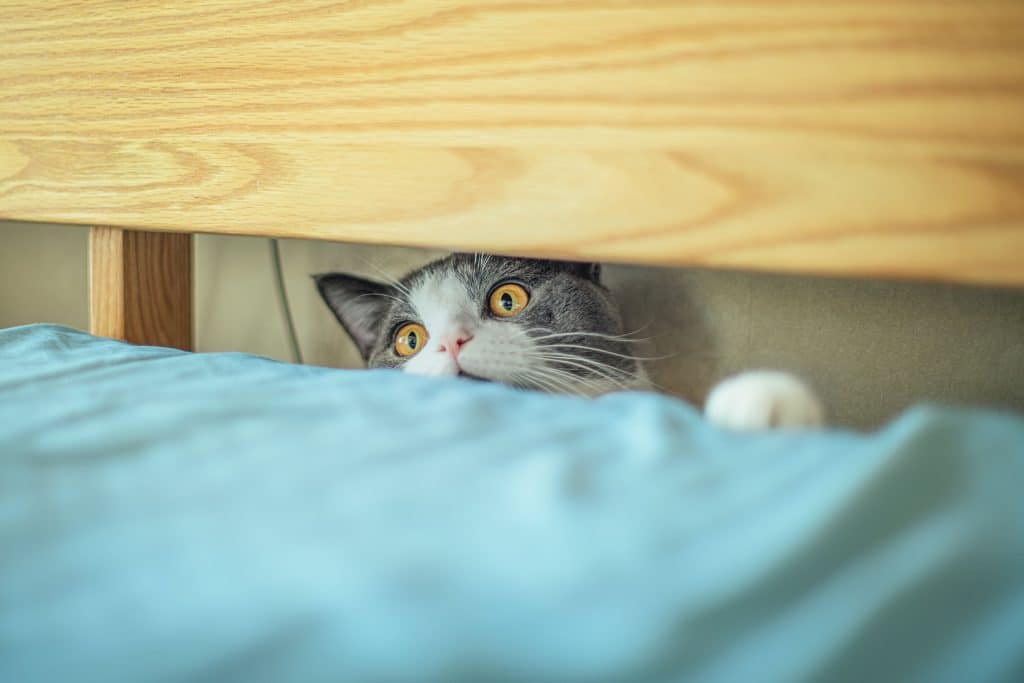
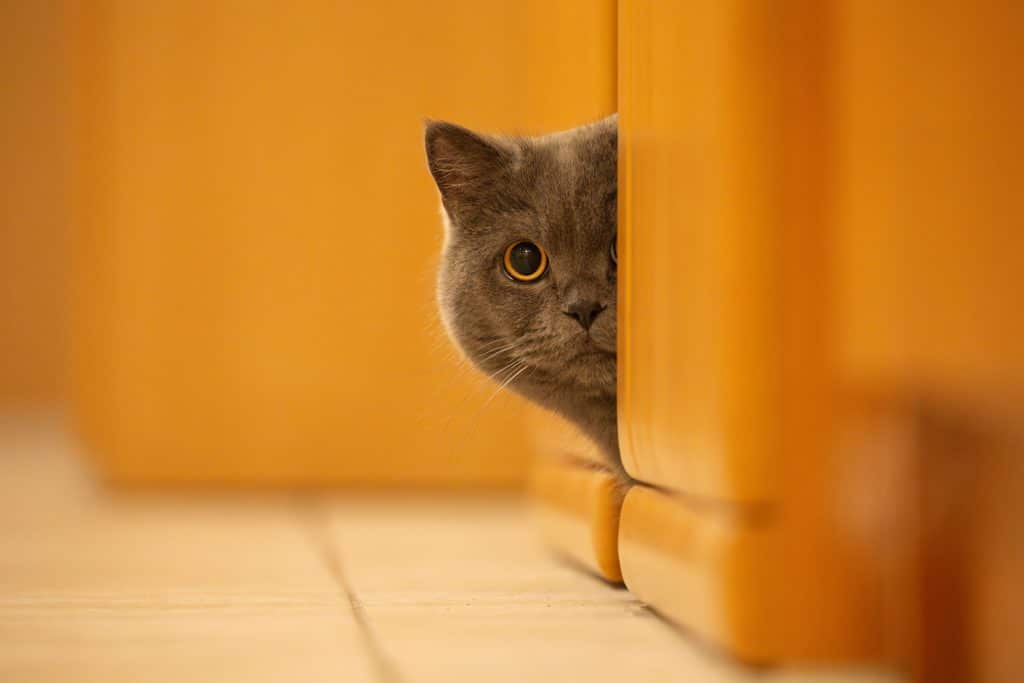
- Hiding more than usual: Your cat spends extra time under the bed, in cupboards, or in corners they normally ignore. They might not come out for meals or their regular cuddles. This is one of the most common responses to stress.
- Going off food: A stressed cat might eat less enthusiastically than normal. They’ll pick at meals rather than diving in with their usual gusto. Loss of appetite can be a real red flag.
- Over-grooming: Some cats groom excessively when anxious, sometimes to the point of creating bald patches. Others might groom less than usual and appear scruffy.
- Restlessness and pacing: Your cat moves from room to room without really settling. They can’t seem to get comfortable, even in their favourite spots.
- Being jumpy or reactive: Your cat startles easily at sounds that wouldn’t normally bother them. They seem on edge and alert.
- Excessive meowing or vocalisations: Some stressed cats become chatty and vocal, crying more than usual.
- Changes in litter box habits: Stress can cause inappropriate toileting, or your cat might visit the litter tray more frequently.
- Dilated pupils and ears back: Physical signs matter too. Look for wide eyes, flattened ears, or a tucked tail.
- Reduced interaction: Your cat might avoid you or become less affectionate than normal, or conversely, cling to you more.
Not all cats show obvious stress signs. Many cats are resilient and adaptable. In our experience visiting cats across Knutsford, Wilmslow, and Alderley Edge, we don’t see extreme stress responses very often. That said, knowing what to look for means you’re prepared if you notice something.
Why might your cat be stressed?
Understanding the cause is half the battle. Different things trigger stress in different cats.
Time away from its family: If your cat is particularly attached to you, they might feel anxious when you’re not there. This is especially true for cats that are naturally more anxious or less confident. If you’ve got a shy cat, they might also feel nervous around new people, even if that person is there to help look after them. That’s completely normal feline behaviour.
Changes to routine: Cats thrive on predictability. They like knowing when feeding happens, when playtime is, when you’re usually home. Senior cats especially can struggle more with changes. They’re less tolerant of disruption than younger cats, so they need extra gentle care when their routine shifts.
New situations: A new person in the home, different sounds, unusual activity. These can all unsettle a cat, particularly if they’re naturally nervous or getting on a bit.
Much of this stress is manageable. Getting to know your cat’s unique personality and preferences, and making sure anyone looking after them knows these too, makes a huge difference.
Building trust and familiarity
This is where proper preparation really shines. Before your cat is ever left in someone else’s care, investing time in building familiarity pays dividends.
When choosing a cat sitter, a pre-visit is invaluable. It’s your chance to introduce your cat to the person who’ll be looking after them, and for that person to learn all about your cat’s temperament and routines. During this time, they’ll pick up on little details. Does your cat prefer a quieter environment? Do they relax better with gentle play or extra scratches? What sounds or situations should be avoided? These insights mean your cat gets care that’s tailored to them, not a one-size-fits-all approach.
When a cat sitter knows these details, and your cat has had a chance to see them and build a bit of trust, the whole experience is less stressful. Your cat might still notice you’re gone, but they’re not dealing with it alongside the stress of meeting a complete stranger.
How to help a stressed cat
If you notice your cat seems stressed, here are some ideas that may work for them.
Give them space: A stressed cat needs to feel safe, and sometimes that means letting them retreat. Don’t force interaction. Let them come to you when they’re ready.
Be gentle: Keep your voice calm and quiet. Avoid sudden movements or loud noises. Show your cat through your behaviour that everything’s okay.
Respect their boundaries: Not every cat wants cuddles when they’re anxious. Some prefer just being near you. Pay attention to what your individual cat needs.
Show you’re a friend, not a threat: Patience and kindness go a long way. Let your cat approach you rather than cornering them for affection.
Maintain routine where you can: Keep feeding times, play times, and general activity consistent. Predictability is deeply comforting to cats.
Book your sitter today
Receive 2 FREE visits when you book your first cat sitting visits with us! Experience the peace of mind that comes with professional, loving cat care.
Taking care of your cat with a sitter
If you’re heading away and worried about how your cat will manage, there are practical steps you can take.
Arranging regular visits from a trusted cat sitter helps tremendously. A cat camera is also invaluable for your peace of mind. Being able to check in on your cat whilst you’re away means seeing that they’re settled, eating normally, and moving about. This is genuinely reassuring. Plus, you’ll spot anything unusual early, which matters.
The bottom line
Being able to recognise the signs of stress, and knowing how to respond with calm, gentle care, means you can help your cat through difficult moments and create an environment where they feel secure and loved.
The small investment in understanding your cat’s personality and preferences pays off greatly. Whether it’s through a pre-visit before you leave them in someone’s care, or simply knowing what makes your individual cat tick, this knowledge is powerful.
Your cat depends on you to understand them and you absolutely can.
Worried about leaving your cat whilst you're away?
We understand. That’s exactly why we do what we do. Our experienced cat sitters get to know your cat properly before any visit, and we’re there to provide the calm, gentle care they need in the comfort of their own home.