If you’ve ever wondered why your cat purrs, you’re not alone. That rumbling sound is one of the most recognisable noises cats make, yet it’s far more complex than many people realise. Understanding what your cat’s purr actually means can deepen your bond with them and help you recognise what they’re really trying to tell you.
Purring isn’t always a simple sign of happiness. While most of the time your cat is content when they’re purring, the full story is more nuanced and context matters hugely. By learning to listen to your cat’s purr and observe the situation, you’ll gain real insight into your cat’s emotional state and wellbeing.

Why Do Cats Purr?
Your cat purrs by vibrating the muscles in their larynx (voice box) incredibly quickly, which creates that distinctive rumbling sound. This happens when they breathe in and out, so your cat can purr continuously without stopping to take a breath.
But why did cats evolve this ability in the first place? The answer lies in communication and survival. Kittens are born deaf and blind, so their mother uses purring as a way to signal that she’s close by and safe. As cats grow up, they learn that purring is powerful. It gets attention, it conveys contentment, and it creates a sense of calm.
Your cat learned early on that purring works. When they purr, good things often follow. Strokes, cuddles, food, or attention come their way. So they’ve kept using it throughout their lives as one of their most effective communication tools.
Common reasons for purring
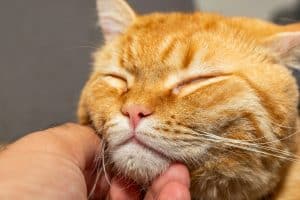
Most cats purr regularly, and you’ll probably hear it in fairly predictable moments. During visits with your cat, purring tends to happen throughout the time spent together, particularly during cuddles and affection. This is the most obvious reason. Your cat is enjoying the interaction and wants you to know it.
But there are other times your cat will purr too. Many cats purr when they’re greeting you, especially if they’re pleased to see you. Some purr when they’re about to be fed, or when they’re settling down somewhere comfortable. A few even purr while they’re playing, particularly if the play is gentle and enjoyable.
The common thread? In these moments, your cat is generally content. They’re not worried or in pain. They’re simply expressing that they’re comfortable and pleased with their current situation.
Some cats are more vocal purrers than others. You might have a cat who fills your home with a constant rumbling sound, while your friend’s cat produces barely a whisper. Both types are completely normal. Cats are individuals, and their purring habits vary as much as their personalities do. Some cats purr at full volume, others so quietly you almost don’t hear it. This doesn’t tell you anything is wrong. It’s simply how that particular cat chooses to communicate.
Every Cat's Purr Is Unique
Did you know your cat’s purr is genuinely unique to them? It’s like a fingerprint. No two cats produce exactly the same sound, and this uniqueness is part of what makes your cat so special.
Some cats have a deep, rumbling purr that sounds almost like a small engine. Others produce a high-pitched, almost bird-like sound. Some cats have a staccato purr that stops and starts, while others maintain a continuous hum. The volume varies too. One cat might wake you from three rooms away with their powerful purr, while another’s is so soft you have to put your ear close to hear it.
Over time, you’ll learn to recognise your own cat’s individual purr pattern. It becomes familiar and comforting, part of their personality that you come to expect. This is one of the reasons that hearing your cat purr when you return from a visit is so reassuring. It’s their unique voice saying hello.
The Self-Soothing Side of Purring
Purring also helps cats to calm down.
Think of it like this. When humans are stressed, we might listen to music, take a bath, or go for a walk. When your cat is stressed, they purr. The vibrations from purring actually have a soothing effect on your cat’s own nervous system, like self-regulation. Your cat has discovered something that makes them feel better when they’re anxious or uncomfortable.
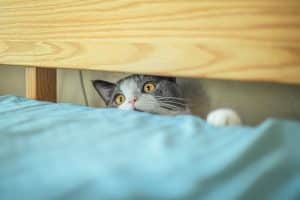
This is why context is absolutely crucial. A purring cat isn’t automatically a happy cat. If your cat is purring while at the vet’s office, during a car journey, or in an unfamiliar situation, they’re likely soothing themselves through stress rather than expressing contentment. Understanding this distinction means you’ll read your cat’s actual emotional state far more accurately.
This doesn’t mean something is wrong if your cat purrs in stressful situations. It’s actually a healthy coping mechanism. Your cat has found a way to manage their anxiety.
Book your sitter today
Receive 2 FREE visits when you book your first cat sitting visits with us! Experience the peace of mind that comes with professional, loving cat care.
Purring as a Healing Tool
There’s another layer to purring that’s worth mentioning. The frequency of a cat’s purr is roughly 25 to 50 hertz, and this is believed to have therapeutic benefits not just for your cat but potentially for you too. Some research suggests that this frequency may promote bone healing and reduce pain in cats themselves.
Whether your cat knows this on a conscious level is unlikely. But what we do know is that cats instinctively purr when they’re injured or unwell. They’re not necessarily happy in these moments, they’re using purring to try to heal themselves.
This is another reason why you can’t rely on purring alone to determine your cat’s health or mood. A cat recovering from illness or injury might purr frequently as part of their natural healing process. It doesn’t mean they’re feeling great. It means they’re doing what comes naturally to manage their discomfort.
Reading Your Cat's Purr: Body Language Matters
So how do you actually tell if your cat’s purr means “I’m happy” versus “I’m stressed”? The answer is to look at the whole picture, as well as the sound.
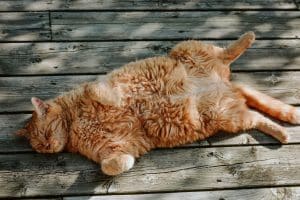
A happy, contented cat will have relaxed body language alongside their purr. You’ll likely see soft eyes, a slow blink, relaxed whiskers, and a tail that’s either gently curved or held upright with a slight hook at the end. Their ears will be in a normal forward position, not flattened back. During cuddles, a content cat will actively seek out your touch and might knead with their paws. This often happens alongside purring.
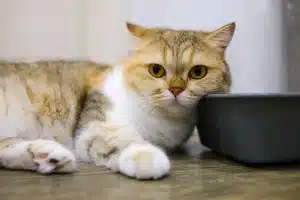
An anxious or stressed cat might purr, but their body will tell a different story. Their ears might be slightly back. Their pupils could be dilated. Their body might be tense rather than relaxed. They might be ready to flee at any moment.
When you’re caring for your cat day to day, you learn their normal patterns. A purring cat is generally a good signal that your cat is content with you or particularly enjoying wherever you’re scratching them. But if something feels off, trust that instinct. If your cat is purring but their body language doesn’t match, or if they’re purring in a situation that would reasonably stress them, it’s worth paying closer attention.
That Adorable Trill: When Purring Gets Extra Cute
Many cats don’t just purr, they trill. A trill is that chirping, trilling sound that some cats make, sometimes mixed in with their purr. It’s impossibly cute, and if your cat does it, you’re in luck. A trill is almost always a sign of positive emotion and greeting.
You’ll often hear it when your cat is greeting you, asking for something they want (like food), or expressing particular affection. It’s like your cat has added an extra layer of enthusiasm to their purr. It’s rarely a sign of stress. When you hear your cat mixing trills with their purr, you can be fairly confident they’re genuinely pleased.
Building Trust Through Sound
One of the lovely things about caring for cats is learning their individual communication styles. Some cats announce themselves loudly when you arrive for a visit. Others are quieter but still express affection through their purr. By recognising and responding to your cat’s purring, you’re showing them that you understand what they’re saying.
When a cat purrs around you, they’re choosing to be vulnerable with you. They’re saying “I trust you enough to relax in your presence.” Respond with positive interaction and reinforce your bond.
If your cat doesn’t purr much, that’s fine too. Not all cats are vocal. Some show their contentment through other behaviours. Slow blinks, head bumps, or simply choosing to sit nearby all signal affection. A quiet cat isn’t necessarily unhappy. They’re just communicating differently.

The Bottom Line: Listen to Your Cat
Your cat’s purr is one of their primary ways of communicating with you. Most of the time, it means they’re content and enjoying the moment. But the full picture is more complex than that. Purring can also indicate self-soothing during stress, or even attempts at self-healing when they’re unwell.
The key is context. Observe your cat’s body language, their environment, and the situation. Listen to the quality of their purr. A strong, steady purr often indicates contentment more reliably than an anxious, intermittent one. Most importantly, get to know your individual cat and their unique patterns.
Your cat is telling you something with every purr. By learning to listen properly, you’ll understand them better and deepen the bond you share.
Ready to give your cat the care they deserve?
If you’re planning a holiday, heading away on business, or simply need a trusted person to care for your feline friend while you’re busy, our experienced cat sitters are here. We love getting to know your cat’s unique personality and ensuring they’re content and well-cared for in the comfort of your own home.